

Alcohol addiction often begins quietly, yet its effects can spread through many areas of daily life. Families across Dane County often search for alcohol rehab in Madison, Wisconsin when drinking begins to disrupt health, relationships, and stability. Willow Behavioral Health offers outpatient recovery services that help adults regain balance while remaining connected to work, school, and family responsibilities. Our team combines evidence-based therapy with compassionate guidance so that recovery can develop through steady, realistic progress.

What Is Alcohol Use Disorder?
Alcohol use disorder (AUD) is a medical condition involving difficulty controlling alcohol use despite negative consequences. Many people in Dane County first notice warning signs when drinking begins to interfere with responsibilities or emotional well-being. Although alcohol appears in many social settings, repeated heavy use can gradually change how the brain processes reward and impulse control. As patterns intensify, professional guidance often becomes necessary to restore stability.
Alcoholism in Wisconsin continues to affect families across communities, including Madison and surrounding towns. Public health reports show higher drinking rates in Wisconsin than the national average. Hospitals and community organizations regularly address complications connected to alcohol misuse. Accessible recovery services in Madison help residents regain direction and improve long-term wellness.

How the DSM-5 Diagnoses Alcohol Use Disorder
Addiction treatment professionals rely on the Diagnostic and Statistical Manual of Mental Disorders (DSM-5) to evaluate alcohol use disorder. Providers review behavioral patterns, physical symptoms, and emotional changes that indicate loss of control over alcohol use. A diagnosis occurs when harmful drinking patterns persist for twelve months or longer. Clinical evaluation allows providers to create a personalized recovery plan.
Alcohol misuse often alters the brain’s reward system and emotional regulation. As tolerance increases, the brain requires larger amounts of alcohol to reach the same effect. Cravings may increase while impulse control declines. These neurological shifts explain why many adults struggle to stop drinking without professional guidance. Symptoms used during the DSM-5 evaluation may include several patterns of behavior:
- Drinking larger amounts or drinking longer than intended
- Unsuccessful attempts to reduce alcohol use
- Spending significant time drinking or recovering
- Strong cravings or urges to drink
- Alcohol interfering with work or family responsibilities
- Continued drinking despite relationship conflict
- Loss of interest in hobbies or social activities
- Drinking in risky situations, such as driving
- Continued alcohol use despite health problems
- Increased tolerance and withdrawal symptoms
Alcoholism in Wisconsin often develops gradually, which makes early recognition important. Cultural attitudes toward drinking sometimes delay awareness of the problem. Recognizing diagnostic signs helps families identify when alcohol use has moved beyond social drinking.
Alcohol Rehab Programs at Willow Behavioral Health in Madison
Willow Behavioral Health provides outpatient recovery services for adults seeking meaningful change while remaining in their community. Licensed therapists, medical providers, and recovery professionals work together to guide each participant through a personalized plan. Each recovery plan reflects personal history, mental health concerns, and long-term goals. Individualized planning supports recovery at a realistic pace.
Many people prefer alcohol rehab in Madison, Wisconsin with options that allow them to continue daily responsibilities. Willow Behavioral Health offers in-person sessions, virtual therapy, and blended scheduling that combines both formats. Services include medication management, evidence-based therapy, and holistic approaches such as mindfulness or music therapy. Confidential options also help professionals maintain privacy while pursuing recovery.

Outpatient Alcohol Rehab Programs in Madison
Outpatient services allow residents to receive therapy while continuing to live at home and maintain daily routines. Many adults prefer this model because it provides accountability without requiring a residential stay. We offer several outpatient levels designed to meet different needs and schedules. Each level includes therapy, psychiatric services, and practical recovery skills.
Alcohol PHP in Madison offers a full-day schedule that provides intensive therapeutic engagement during early recovery. Participants attend group therapy, individual counseling, and medical appointments during daytime hours. After sessions conclude, participants return home rather than remain at a residential facility. PHP often serves as an effective starting point when additional stability is needed.
Alcohol IOP in Madison offers a flexible schedule that allows adults to balance recovery with work or family commitments. Participants typically attend therapy sessions several days each week while continuing daily routines. IOP focuses on relapse prevention, emotional regulation, and long-term lifestyle changes. Many participants transition into this level after completing PHP or other intensive services.

Signs of Alcohol Addiction
Alcohol addiction often develops through physical, emotional, and behavioral changes that appear gradually. Family members sometimes notice warning signs before the person recognizes the problem. Increased secrecy about drinking may indicate that alcohol has begun affecting daily functioning. Early recognition can encourage someone to seek professional guidance sooner.
Physical symptoms may include stronger tolerance, frequent hangovers, and ongoing fatigue. Emotional changes such as irritability or anxiety may appear when alcohol is unavailable. Many individuals begin missing responsibilities at work, school, or home. These patterns often indicate alcohol has begun influencing decision-making and emotional balance.
Behavioral shifts also reveal potential alcohol addiction. Some adults begin drinking earlier in the day or continue drinking throughout the evening. Others withdraw from hobbies or social activities they once enjoyed. Repeated attempts to quit often lead to relapse without professional guidance.

Alcohol Withdrawal Symptoms
Alcohol withdrawal occurs when the body adjusts after alcohol use suddenly stops or decreases. Symptoms vary depending on drinking history, physical health, and frequency of alcohol use. Early symptoms often appear within 6 to 12 hours after the last drink. Anxiety, headaches, nausea, and sweating frequently occur during this stage.
Moderate symptoms may develop between 12 and 24 hours after the final drink. Increased heart rate, shaking, and insomnia often appear during this period. Confusion or emotional instability may also occur as the brain adjusts. Medical monitoring helps reduce risk and improve safety.
Severe withdrawal symptoms may occur between 24 and 72 hours after alcohol use stops. Hallucinations, seizures, and delirium tremens may appear in serious situations. These complications require immediate medical attention. Professional detox placement helps individuals complete withdrawal safely before continuing outpatient recovery.

Long-Term Effects of Alcohol Use
Chronic alcohol misuse affects both neurological and physical health. The brain often experiences early changes involving memory, focus, and emotional regulation. Depression and anxiety may also worsen with continued alcohol use. Reduced impulse control frequently increases the likelihood of risky behavior.
Long-term drinking can also damage the liver, heart, and immune system. Medical professionals associate chronic alcohol use with cardiovascular disease and certain cancers. These complications demonstrate the importance of early recovery. Addressing alcohol use early can significantly improve long-term health outcomes.
Public health data highlights the seriousness of alcoholism in Wisconsin. The CDC estimates alcohol contributes to roughly 178,000 deaths each year in the United States. Excessive drinking reduces life expectancy and affects families across many communities. Accessible recovery services in Madison help residents regain direction and improve long-term wellness.
Ongoing Alcohol Recovery Support in Madison, Wisconsin
Recovery often continues well beyond completing an alcohol PHP in Madison. Long-term progress usually depends on maintaining strong connections with community resources and peer networks. Willow Behavioral Health encourages participants to remain engaged in IOP counseling, alumni gatherings, mentoring opportunities, and continued therapy. These connections reinforce accountability and help individuals navigate challenges during recovery.
Madison also offers several community resources that encourage sustained sobriety. Alcoholics Anonymous groups meet regularly throughout Dane County. Additional wellness organizations host recovery-focused events and educational workshops. Consistent participation in these resources strengthens confidence and long-term stability.

Alcohol Withdrawal Symptoms
Alcohol withdrawal can be a difficult process. It’s also sometimes dangerous, especially when done alone or without help. The symptoms someone experiences vary based on how long and how much they’ve been drinking.
How Long Does Alcohol Withdrawal Last?
Withdrawal can start just a few hours after your last drink and often lasts up to a week. Some symptoms, like restlessness or poor sleep, could stick around longer. With medical support, the process is safer and more manageable.
- Anxiety or irritability
- Headache
- Nausea
- Sweating
- High blood pressure
- Confusion and insomnia
- Rapid heartbeat
- Shaking
- Hallucinations
- Seizures
- Delirium tremens (DTs)
- Severe confusion or agitation
The Effects of Long-Term Alcohol Abuse
Heavy drinking takes a toll on you. The effects of alcohol on the brain are often felt first: memory loss, poor focus, and increased risk of dementia. Over time, alcohol use also damages the heart, liver, and immune system. This puts you at a huge risk of developing a serious illness.
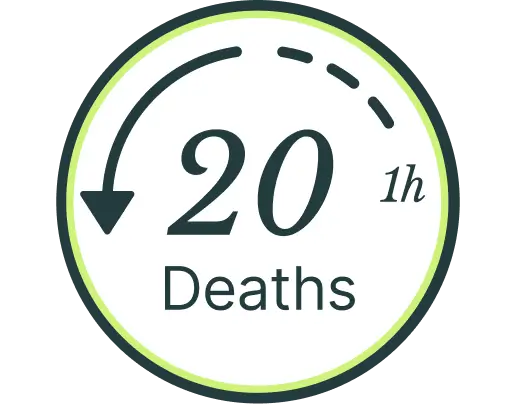
The CDC has stated that AUD is responsible for roughly 178,000 US deaths each year, or about 20 deaths an hour. That’s no small number; alcohol is actively shortening lives by an average of 24 years.
Begin Alcohol Rehab in Madison, Wisconsin Today
Alcohol addiction can feel isolating, yet meaningful recovery often begins with a single conversation. Willow Behavioral Health provides alcohol rehab in Madison, Wisconsin through flexible outpatient services designed for lasting change. Our experienced team combines therapy, psychiatric services, and holistic approaches to help adults rebuild stability. Contact us today to begin a healthier path forward.

FAQs About Alcohol Addiction Treatment in Madison, Wisconsin
Many residents exploring recovery options in Madison want clear information before reaching out for help. Practical details about scheduling, privacy, and program expectations often influence that decision. Reliable answers can reduce uncertainty and help someone take the next step toward recovery.
How private is alcohol treatment in Madison, Wisconsin?
Our outpatient services follow strict medical confidentiality laws that protect personal health information. Sessions remain private and secure under federal privacy regulations. Many professionals choose our alcohol treatment programs in Madison because they provide discretion while receiving clinical guidance.
Can someone work while attending alcohol rehab?
Yes, outpatient options allow many adults to maintain employment. Programs such as alcohol IOP in Madison offer flexible scheduling, including evenings and daytime hours. Maintaining daily responsibilities often strengthens accountability during recovery.
What therapies are commonly used in alcohol rehab?
Many programs use cognitive-behavioral therapy, dialectical behavior therapy, and trauma-informed counseling. Group therapy and family therapy often strengthen communication and rebuild trust. Holistic approaches such as mindfulness can also improve emotional resilience.
Does insurance usually cover alcohol rehab?
Many health insurance plans provide outpatient addiction service benefits. Coverage often includes therapy, psychiatric appointments, and medication management. Our admissions team quickly verifies benefits and explains financial options before enrollment.
How quickly can someone begin alcohol rehab?
Many outpatient centers schedule an assessment within several days of the first call. After the evaluation, providers recommend an appropriate level of care. Starting recovery as soon as possible often improves motivation and engagement.
Read Some of Our Resources

Traumatic experiences can influence how a person processes emotions, memories, and stress long after the original event has passed. Some adults begin using alcohol or drugs while trying to manage anxiety, intrusive thoughts, or persistent emotional distress. What may start as an attempt to cope can gradually develop into harmful
Alcohol addiction can affect your body, emotions, and relationships. When a mental health condition is also present, recovery can feel even harder. This is called dual diagnosis. Understanding how alcohol use connects to mental health can help people find better care and support. What Does Dual Diagnosis Mean? Let’s start

Trauma doesn’t merely disappear. It can linger in unexpected places, such as how you resolve conflicts, trust issues, and harmful behaviors. Traditional therapy often treats symptoms in isolation, such as practical coping skills for anxiety or substance use treatment for addiction. Trauma-informed care touches on the intersection between these symptoms