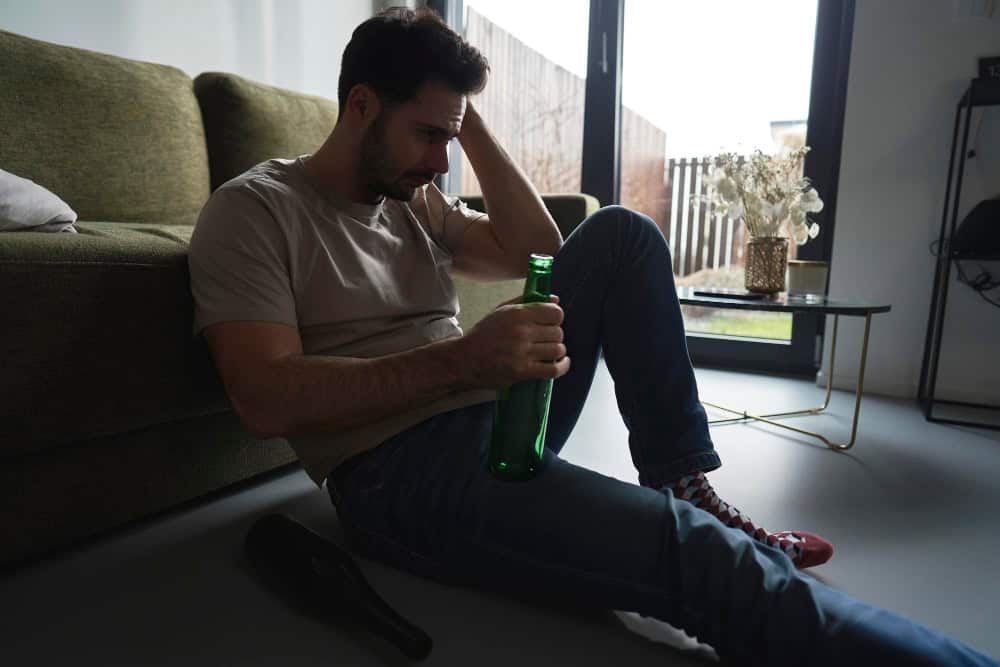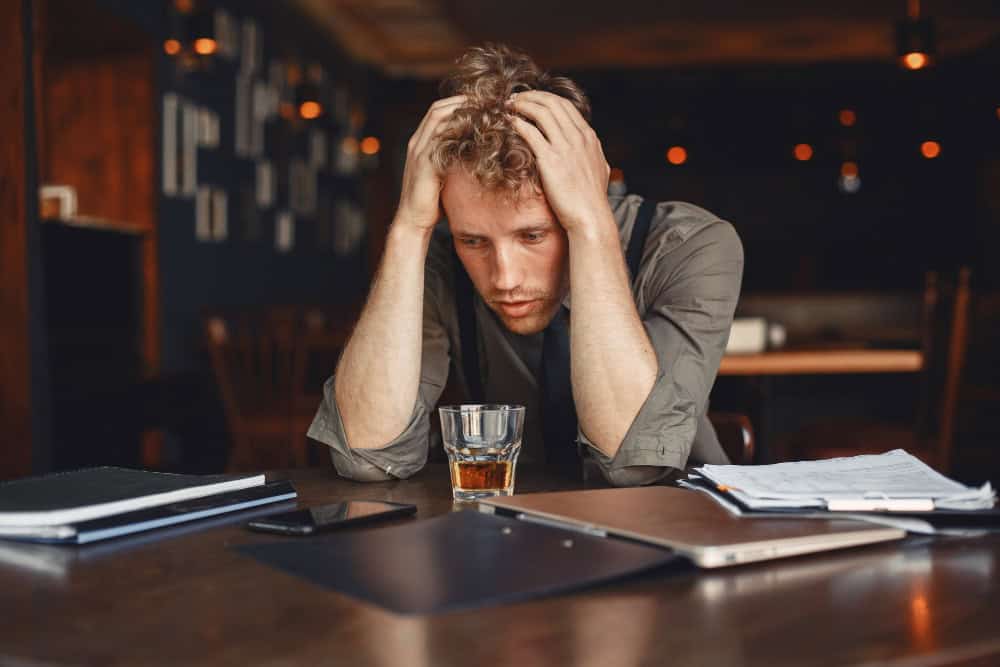

Yes, alcohol can cause panic attacks, and the experience can be frightening and confusing. If you have felt sudden panic after drinking, you may have wondered what is wrong with you. Nothing is wrong with your character. Your body reacted to alcohol, and the reaction has an explanation. Family members often feel the same confusion, watching someone they love grow anxious without knowing why. The link between alcohol and panic attacks has clear causes, and they are worth understanding for you and for the people who love you.

How Drinking and Panic Attacks Feed Each Other
Drinking alcohol can cause panic attacks in someone who has never had one. While you drink, alcohol quiets the brain. As it clears, glutamate, a chemical which revs up the brain, surges while GABA, the brain’s calming signal, fades. Low blood sugar and dehydration often join in, since alcohol keeps the liver from making new sugar. Your pulse stays high for hours, so a thudding chest in a dark bedroom can feel like an emergency. The adrenaline surge pushes the heart harder still, and if you’re already prone to anxiety, it hits sooner.
Why Sleep Makes It Worse
A nightcap gets you to sleep. Your body clears about one standard drink per hour, and a 12-ounce beer or a five-ounce glass of wine counts as one. Six drinks take roughly six hours. Alcohol also cuts REM sleep and breaks up the second half of the night. The rebound lands hours in, when nothing is left to soften it. You wake jumpier, and the same drinks hit harder the next day.
How the Cycle Builds Over Time
By morning, hangxiety sets in: a jittery, uneasy feeling easy to mistake for a full panic attack. Work stress usually gets the blame, so the drink goes unnoticed. Another drink at noon, or the next evening, brings relief within minutes. By night, it has worn off, and the rebound comes back bigger.
Months of this change the brain. Two glasses no longer bring the same calm, and a third starts to feel necessary. Dread of the next morning can trigger panic on its own. A drink starts to look like the only way to face it. Drinking every day to get through those mornings may point to alcohol addiction, though only a proper assessment can confirm it.
How to Tell if Alcohol Is Driving Your Panic Attacks
Patterns about when your attacks occur can tell you more than any occasional bad day. If they typically follow a night of heavy drinking, rebound syndrome is the likely culprit, as it usually occurs within 24 hours of your final drink. Panic attacks caused by withdrawal build after several days of not drinking. If your attacks persist well after you stop drinking, see your doctor. There may be another cause, such as thyroid problems or low blood sugar, which can mimic panic disorder.
A simple way to test the connection is to keep a journal for two weeks, then share it with your doctor. People tend to remember drinking less than they actually did. So writing it down the same day can provide a clearer picture. For each attack, record when it started, what you drank in the prior 24 hours, when you stopped, and how long you slept. Add how many drinks you usually have on a typical night. Also record attacks coming before your first drink.
What to Know Before You Stop Drinking
Stopping on your own is risky if you drink heavily every day, because withdrawal can follow this timeline:
- Withdrawal can begin six to 12 hours after the last drink.
- Seizures most often come within 48 hours.
- Delirium tremens (DTs), a severe form of withdrawal, can start two to four days in.
Seizures and DTs are medical emergencies. Alcohol can cause panic attacks during withdrawal too. Talk with a doctor before you cut back. An honest count of how much you drink lets the medical team plan a safe withdrawal around you. If you have already stopped and feel confused or notice hallucinations, go to an emergency room.
Treating Panic Attacks and Alcohol Use Together
If you live with panic and drinking at the same time, you have a lot of company. SAMHSA’s 2025 NSDUH highlights estimate 18.5 million US adults with both a mental illness and a substance use disorder in the past year. Only 57.4% received treatment for either one, which leaves about 7.9 million with neither. Panic after drinking is easy to file under one problem or the other, and either label can hide the other problem.
Treating only one condition usually leaves the other in place. Stopping the drinking does nothing for the fear behind it. Treating the panic alone falls short when the nervous system relies on alcohol to function. Dual diagnosis care treats both conditions at once.
Begin Treatment for Panic Attacks and Alcohol Today
If you keep asking whether alcohol can cause panic attacks in your own life, a conversation with our team can give you a clear answer. Willow Behavioral Health treats panic and drinking together in Madison. Addiction PHP and Mental Health IOP are available in person or virtually, whichever fits your life. Whatever season you’re in, our alcohol addiction and dual diagnosis care bends with you. Many on our team have been through recovery themselves. Speak with one of our admissions coordinators today, for yourself or for a loved one.